

Vertigo or dizziness occurs when the inner ear malfunctions from a variety of causes, creating an imbalance between the semicircular canals. Vertigo caused by a dysfunction of the inner ear creates a sensation of spinning or turning and may cause nausea.
The more common cases of Vertigo include:
Positional Vertigo – This is caused by a migration of inner ear crystals out of their correct location. When stimulated with quick head movement, the floating crystals give the brain a false sense of spinning. The spinning sensation usually lasts a few seconds but can be very alarming and dangerous. With proper diagnosis, Positional Vertigo can be easily treated with a form of physical therapy to encourage the crystals to migrate back to their correct location in the inner ear.
Menier’s Disease – A syndrome where there is a build-up of fluid in the inner ear that causes a sensation of fullness, a fluctuating hearing loss, and ringing or roaring in the ear. The vertigo often occurs in attacks and can last for several hours or days. Treatment involves a low sodium diet, medications to reduce the fluid in the inner ear, and if allergies are present, allergy treatment. A new in-office surgical procedure, the Silverstien Wick, can be performed in our office to reduce the vertigo and hearing loss that occurs with Meniere’s disease.
Labrynthitis – A condition due to inflammation caused by a viral infection of the inner ear that causes severe vertigo. It can often be improved with medications designed to reduce inflammation.
Acoustic Neuroma – A benign tumor growing on a nerve responsible for transmitting signals to the brain from the inner ear. This tumor is slow growing, and although benign, does need to be treated with surgery or radiation to prevent further growth that would increase damage to the nerve.
Hearing & Balance
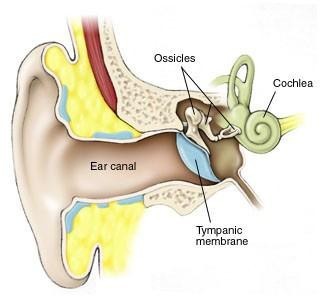
The ear is a complex organ that allows detection of sounds around you and also assists in maintenance of balance. Sound is collected through the external ear and ear canal, which vibrates the eardrum and ossicles which are tiny bones behind the eardrum. The cochlea (inner ear) then picks up the sound waves and generates nerve impulses to the brain that we interpret as sound. The semicircular canals are three sets of balance receptors that give the brain information to maintain your balance. When the semicircular canals are not working properly, this may cause dizziness.
If you suffer from vertigo, Request a consultation today. We have offices in Canton, Blue Ridge, and Jasper. We offer treatment options for both children and adults for all types of vertigo.